
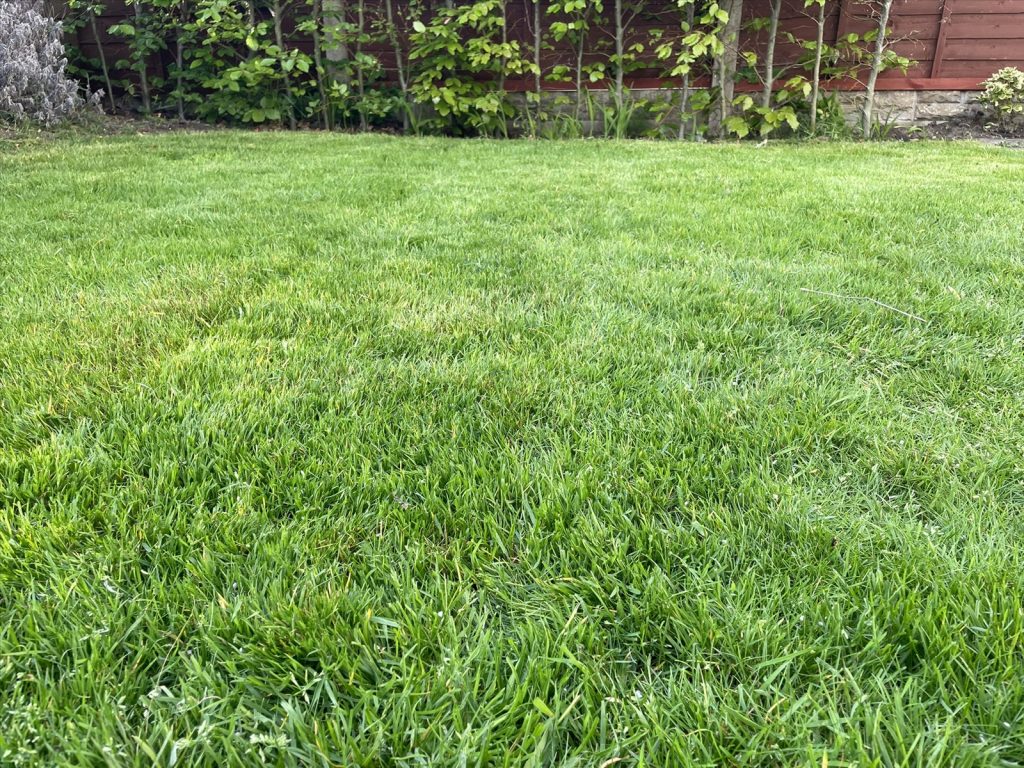
A healthy lawn doesn’t need the same treatment every month. Growth, rainfall and soil conditions matter more than the date on the calendar. Use this guide to plan ahead, then adjust the jobs to suit your lawn and the weather where you live.
For most UK lawns, spring and early autumn are useful windows for repair and sowing. Summer is often about reducing stress, while winter is a good time to protect wet or frosty grass and plan the work ahead.
Spring: bring the lawn back into growth
March
Look for worn patches, standing water and areas that stay shaded. When grass starts growing and the ground is firm enough, give it a first cut on a high mower setting. Avoid mowing wet or frosty grass. A thin lawn can have several causes, so check why it is struggling before reaching for seed or feed.
April
As the soil warms, conditions may become suitable for repairing bare patches or overseeding. The timing varies with the weather; wait if the ground is cold or saturated. If you choose to feed an actively growing lawn, use a suitable product and follow its label. Read our guide to when to feed a lawn before deciding.
May
Mow according to growth rather than a fixed day. If you prefer a more wildlife-friendly lawn, consider leaving a section longer and allowing flowers to develop. Continue to look after newly sown areas: the surface needs consistent moisture while seedlings establish, but avoid washing seed away or making the ground soggy.
Summer: keep the lawn comfortable
June
Grass can grow quickly in mild, damp weather and slow down in heat. Adjust mowing frequency and raise the cutting height if conditions are dry. Newly seeded areas need more attention than established grass; our guide to watering new grass seed explains what to watch for.
July
During a dry spell, reduce mowing and avoid close cutting. Established lawns can turn brown in drought and may recover when rain returns. Consider local water restrictions and prioritise new grass if watering is permitted. Delay disruptive renovation until conditions are more favourable.
August
Assess the effects of summer use and make a plan for autumn. Identify whether thin areas need a small patch repair or wider work, and check whether shade, compaction or repeated wear will keep causing problems. Our lawn renovation guide helps you choose the right scale.
Autumn: repair and prepare
September
Early autumn can offer warm soil and more reliable moisture for sowing and repair, although a hot or dry spell may mean waiting. Choose jobs that the lawn actually needs rather than automatically doing everything. If you sow, allow time for the grass to establish before cold weather; see when to sow grass seed.
October
Keep leaves from smothering grass, and continue mowing while it is growing and the ground is suitable. Some lawns benefit from removing excess accumulated dead material or easing compaction, but avoid harsh work on a weak lawn or waterlogged soil. If feeding, choose a product appropriate to the season and follow its instructions.
November
Growth usually slows. Raise the mower height and stop when conditions are too wet, soft or frosty. Keep an eye on recurring puddles and muddy routes; reducing traffic can prevent further damage while you investigate the cause.
Winter: protect the grass and plan ahead
December
Keep off frozen grass and avoid walking repeatedly over waterlogged areas. Clear heavy accumulations of leaves when the ground allows. Mowing is usually unnecessary, although a mild spell may allow an occasional high cut if the grass is dry and the soil firm.
January
There may be little to do on the lawn itself. Note where shade, puddling or foot traffic causes trouble and plan changes for spring. Clean and maintain your mower safely, following its manufacturer’s instructions.
February
Watch for the first signs of growth, but don’t rush onto soft or frosty ground. Take stock of seed and other supplies and decide which areas need attention once conditions improve. If the lawn is patchy every year, our guide to thin and patchy lawns can help you investigate.
What if the weather doesn’t match the calendar?
Move the job. A warm early spring in one part of the UK can be very different from a cold, wet spring elsewhere. Grass needs suitable conditions to recover from repair, and mowing on soft ground can leave ruts. A few weeks’ patience is often more useful than sticking to a date.
Do I need to feed, scarify and reseed every year?
No. Start with what you can see: a worn patch, excess dead material, poor drainage or uneven growth. A sound lawn may need only routine mowing and occasional attention. Always follow the label on any fertiliser you use, and avoid applying it where it can wash into drains or waterways.
When can I cut new grass?
Wait until seedlings are established and conditions allow a gentle first cut. Details depend on the grass and site; our guide to mowing new grass explains how to judge the timing and protect young plants.
Need help with your lawn?
If you are in Formby or the surrounding L37 area and would like to discuss your lawn, visit our Formby lawn care page or email info@spritelylawns.co.uk.