
Browse all our lawn-care guides, from choosing grass seed to feeding and repairs.
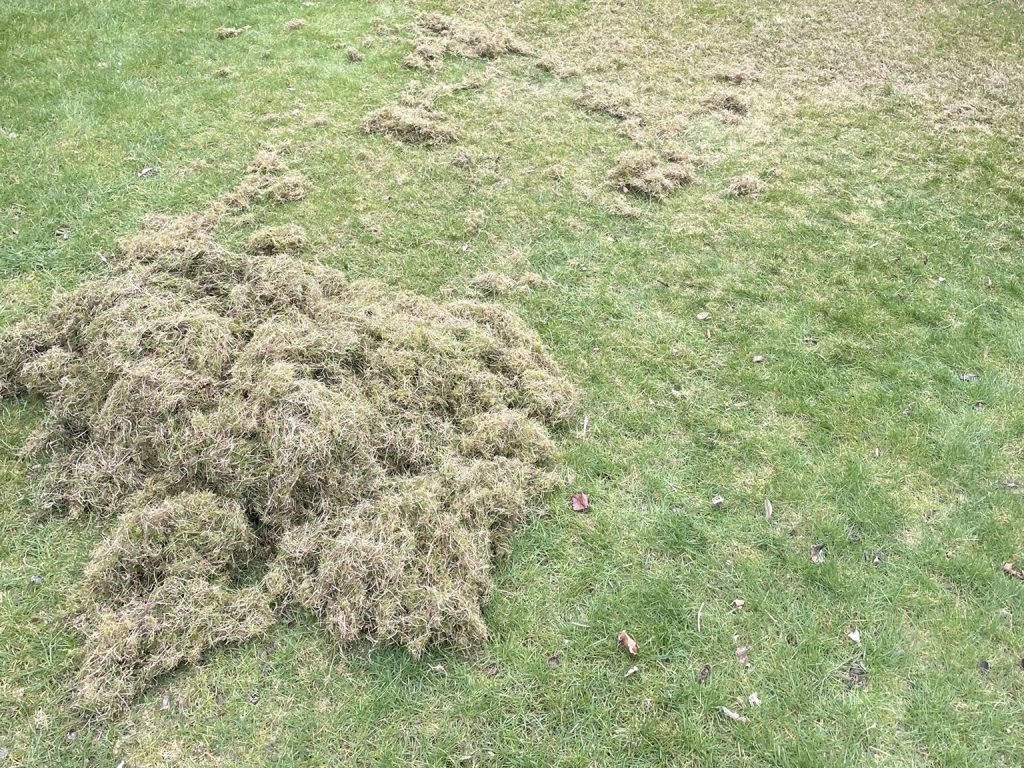
How to renovate a lawn: choosing the right level of repair
Choose a lawn renovation by looking at how much useful grass remains and what caused the damage. A few gaps can be repaired locally; a thin lawn with…
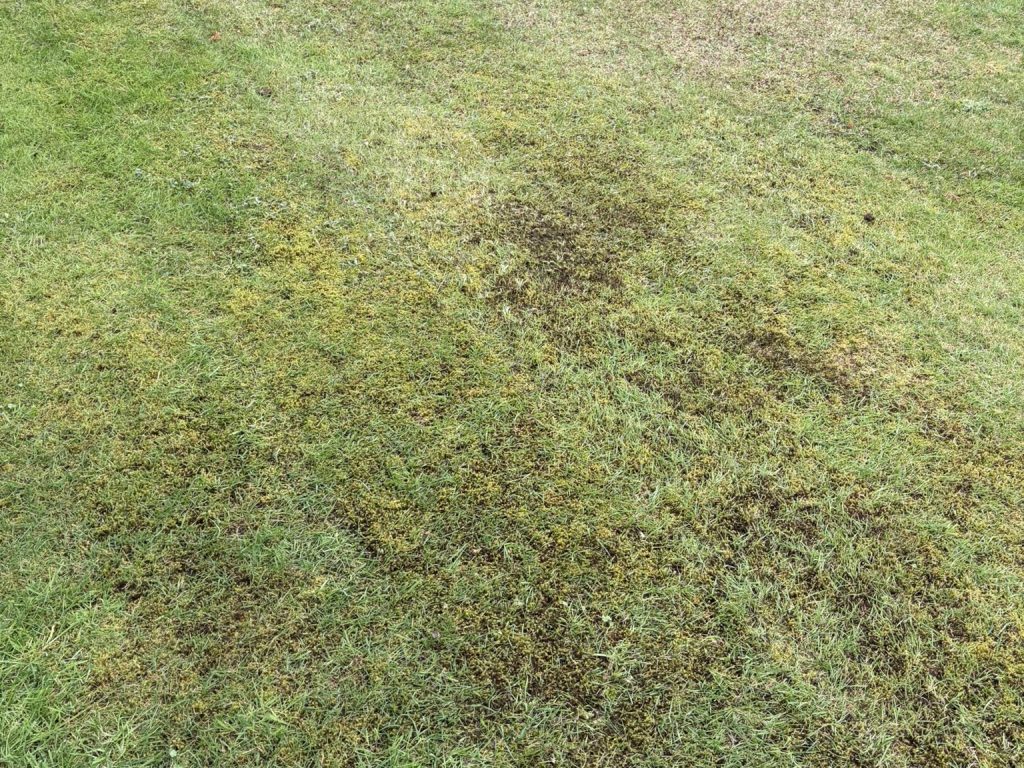
Why is my lawn thin and patchy?
A lawn can become thin because it is worn faster than it recovers, shaded, too wet, dry or repeatedly cut too short. The pattern offers a useful clue:…
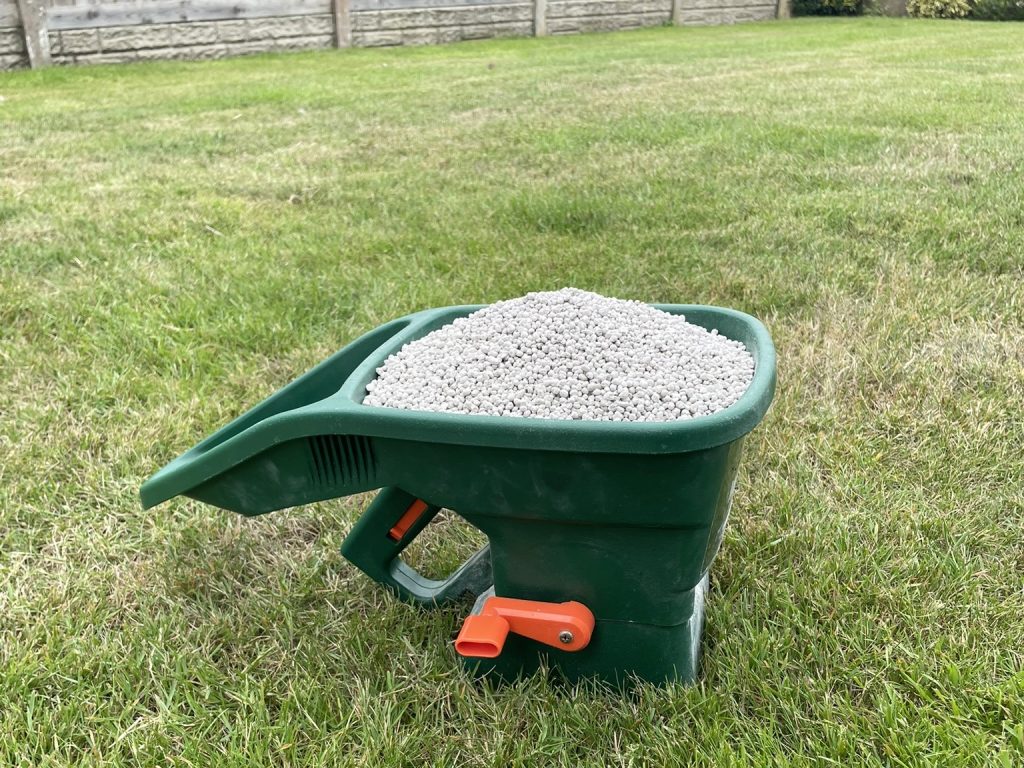
How to choose lawn fertiliser
Choose a lawn fertiliser for the season, the lawn’s needs and the way you can apply it accurately. Check the label for its intended use, nutrient analysis, rate…
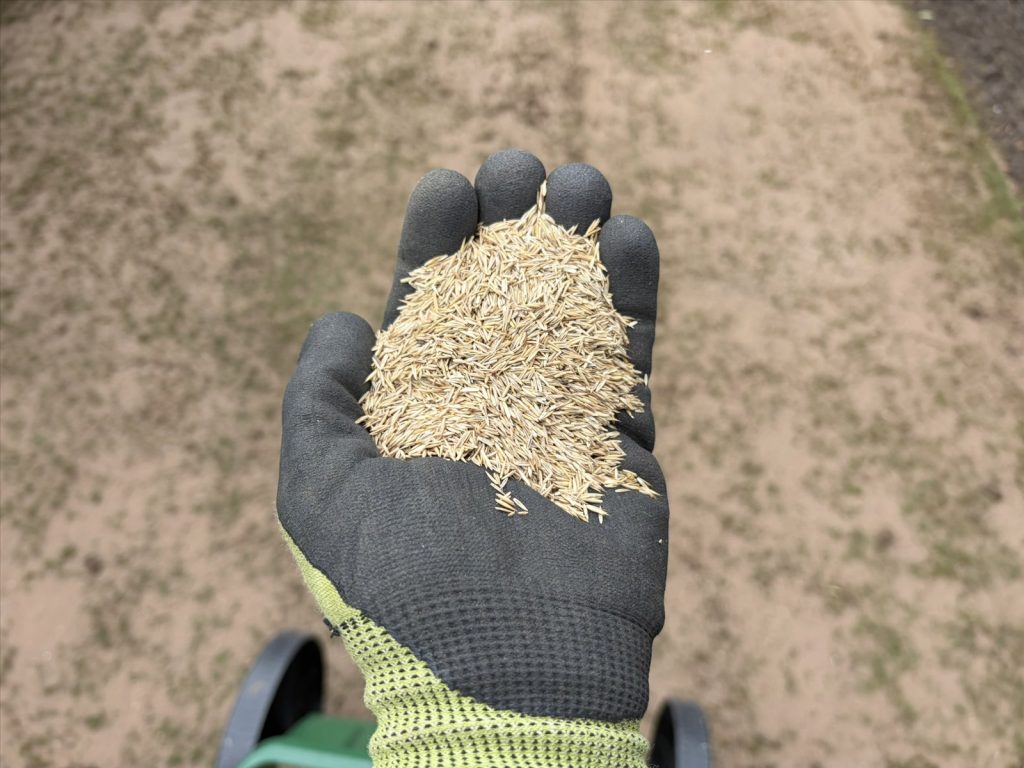
How to prepare soil for grass seed
For a new lawn, prepare a level, firm seedbed with a fine, crumbly surface so grass seed can make contact with the soil. For a bare patch or…
How to apply lawn fertiliser evenly
Measure the area you intend to treat, calculate the quantity from the fertiliser label and apply it evenly. A calibrated spreader can make coverage more consistent, especially on…
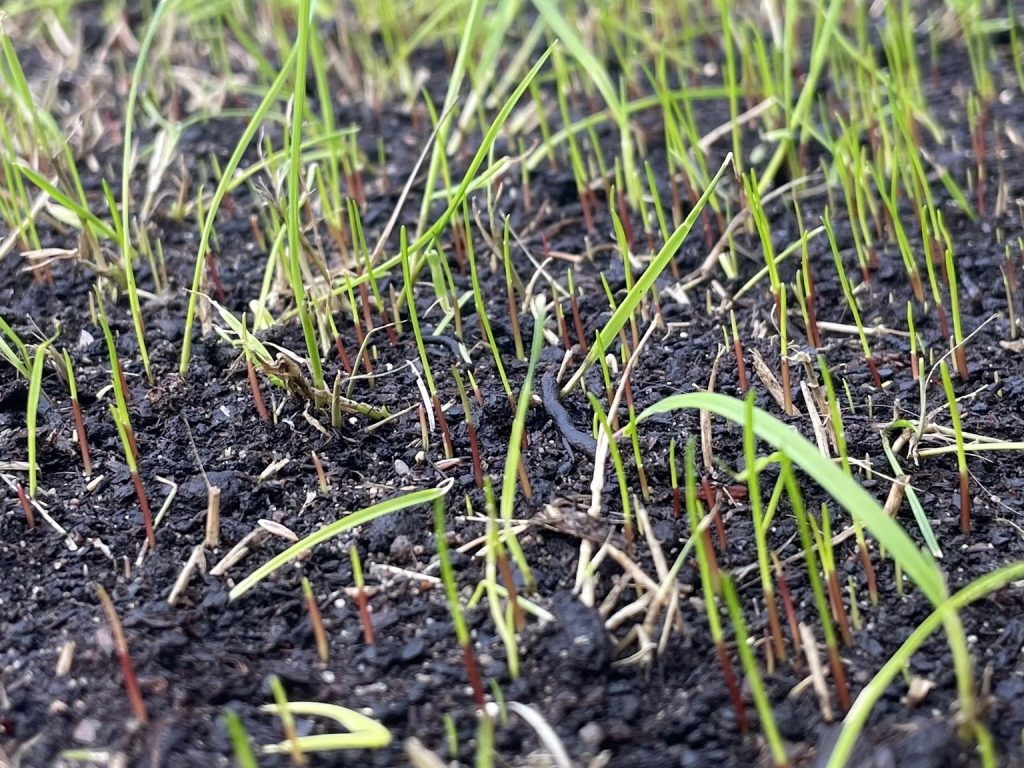
How long does grass seed take to germinate?
Grass seed can begin to germinate in around a week to ten days when conditions are favourable; the RHS gives that guide for a newly sown lawn. Treat…
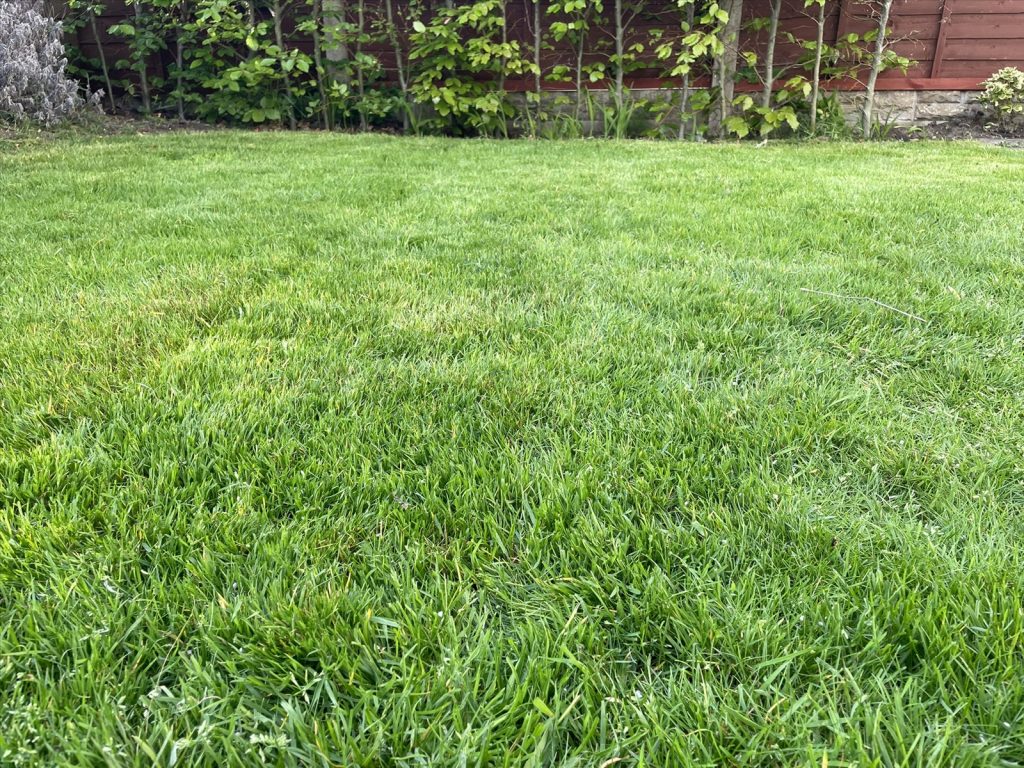
When should you feed a lawn in the UK?
For a traditional UK lawn that needs feeding, mid-spring is a common starting point, once grass is actively growing. If it needs an autumn application, use a feed…
How to repair a patchy lawn
To repair a patchy lawn, look for the cause first, then prepare and reseed the affected areas. A worn path, deep shade and soil that stays wet need…
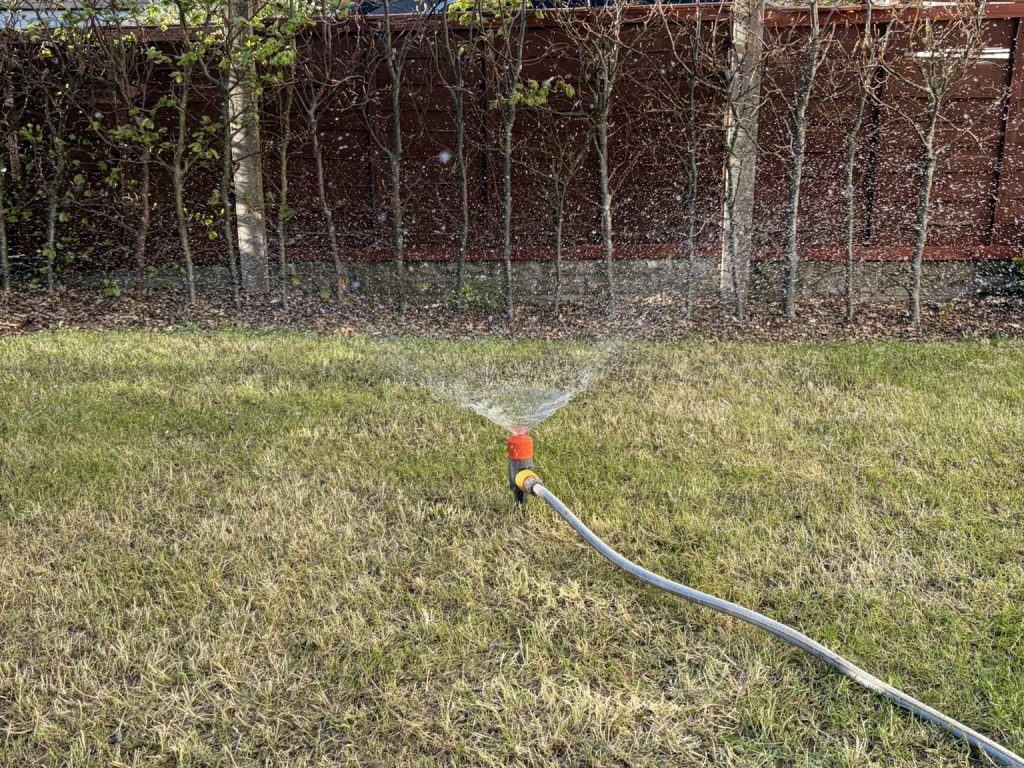
How to water new grass seed
Keep the soil around newly sown grass seed moist while it germinates. When rain is not enough, use a fine spray or watering-can rose so the water does…